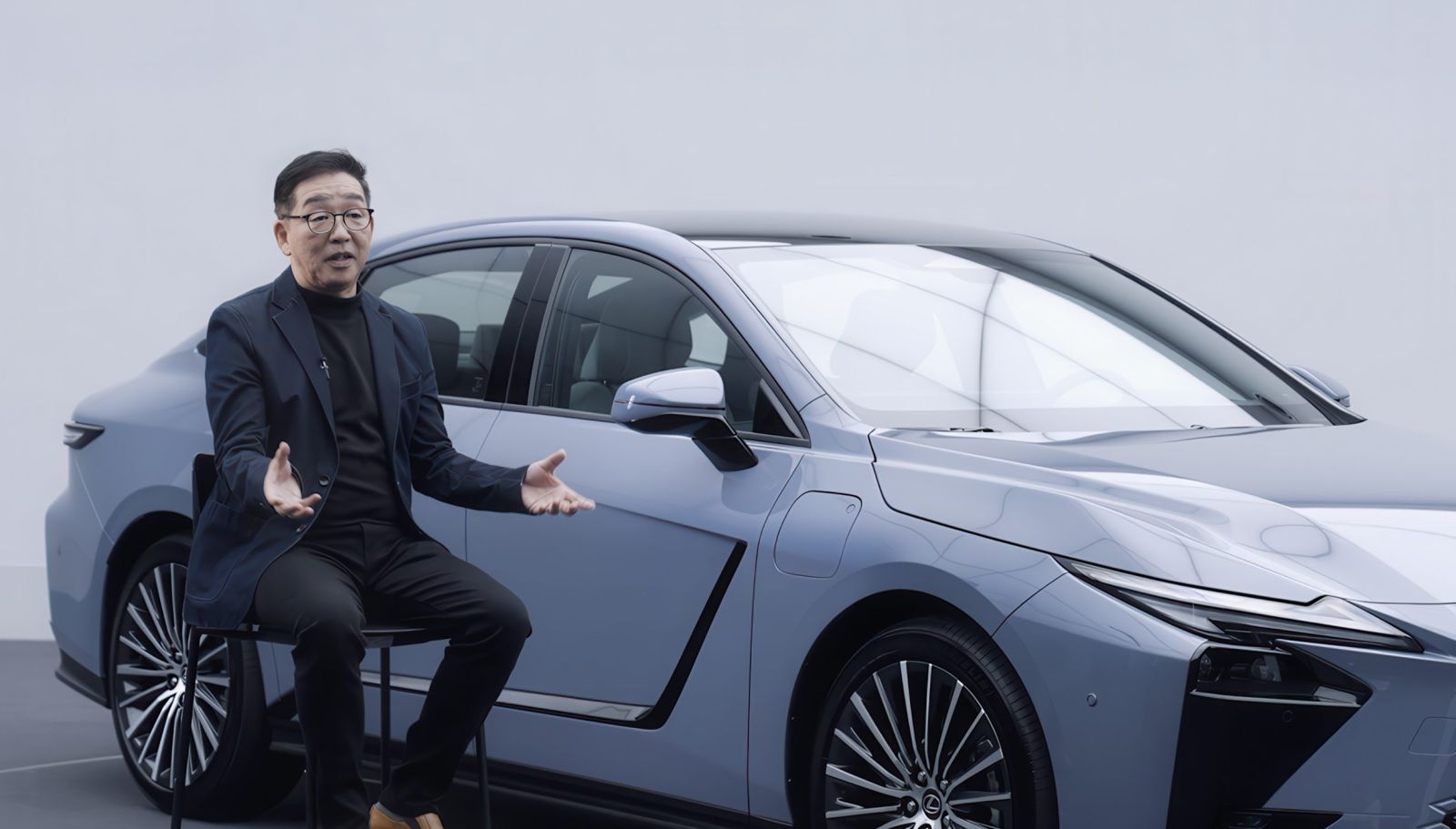
2026 Lexus ES 350e design at a glance
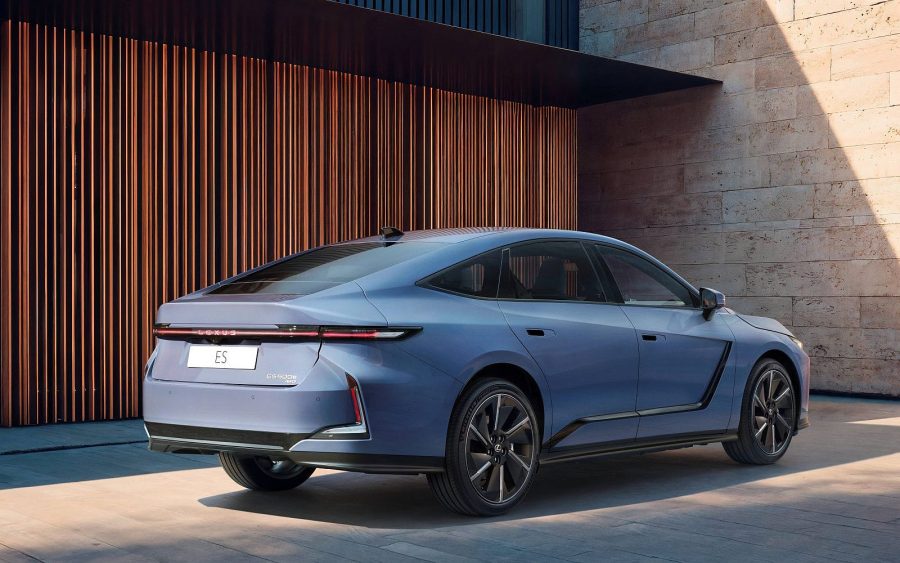
- Exterior: low-set spindle-inspired front end, twin L-shaped headlights and a tapered “trunkless” silhouette
- Proportions: revised K-platform enables a longer, lower-looking and more dynamic profile
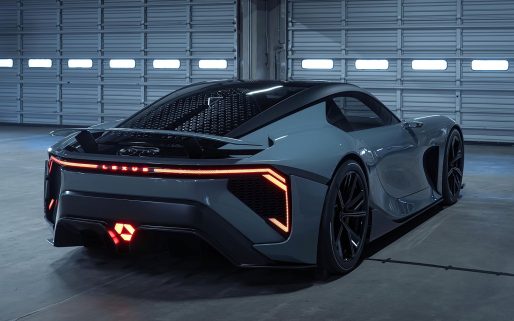
- Rear: full-width light bar and tapered rear surface combine visual impact with aerodynamic efficiency
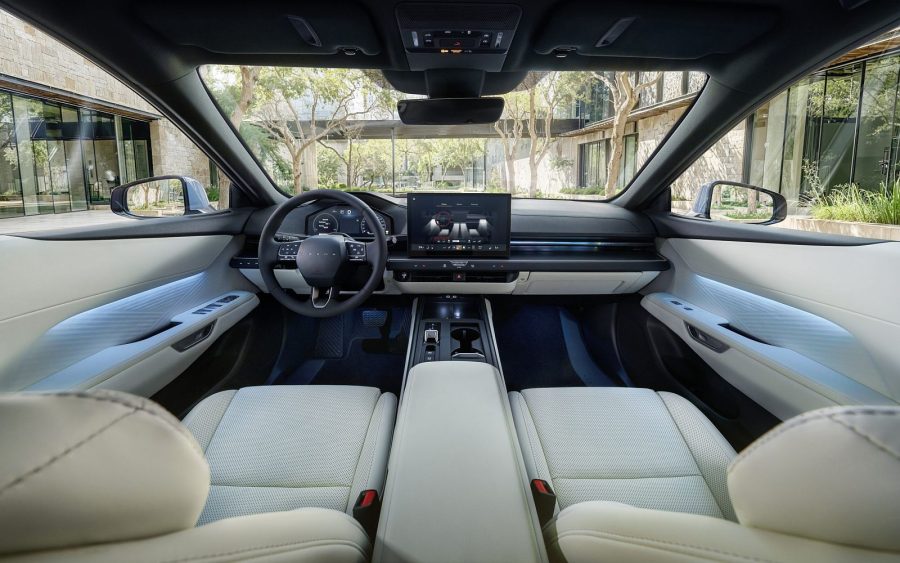
- Interior: minimalist design based on new “Clean Tech x Elegance” concept
- Controls: hidden physical switches illuminate when the vehicle starts
- Cockpit: Tazuna philosophy and a 12.3-inch digital display prioritise driver visibility and intuitive control
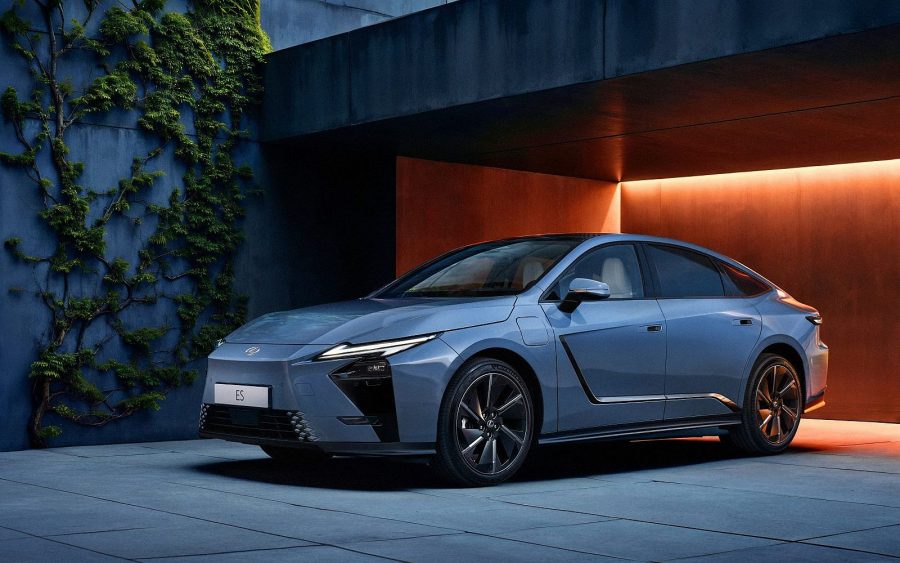
We didn’t evolve the ES – we reimagined it
The launch of the all-new, eighth-generation 2026 Lexus ES 350e marks one of the most significant moments in the model’s history. Across its seven previous iterations, the Lexus ES has established itself as an elegant luxury saloon with classic proportions.
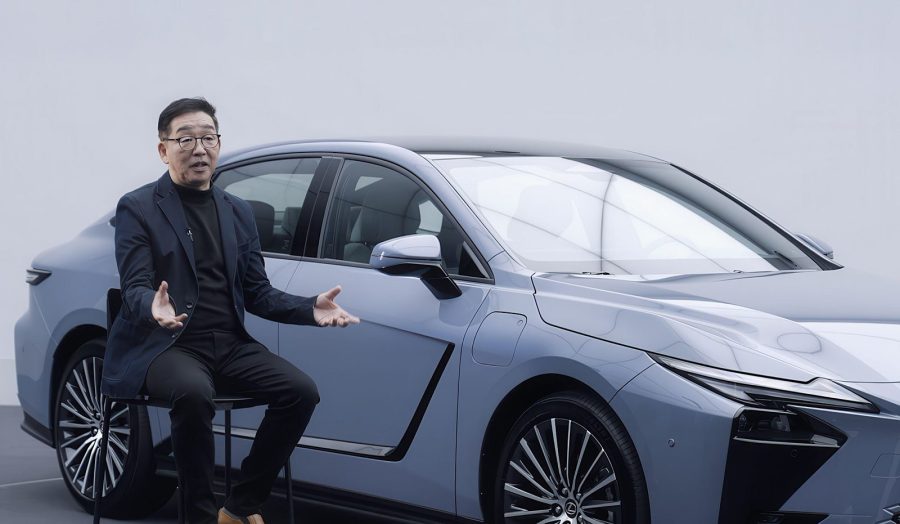
Now, for the first time, the model has been engineered to accommodate a fully electric powertrain. As this represented a total reimagining rather than an evolution of the ES line, we spoke with chief designer Yahiko Kumai to gain some insights into how he and his development team approached this new era and understand what principles guided the new model’s creation.
How do you redesign an established model like the Lexus ES?
Kumai knew from the outset that the transition to electrified powertrains gave the design team an opportunity to rethink the ES from the ground up. So rather than incrementally improving the existing model, Kumai set the team a bold new foundation from which to work. He called this a “super-ideal” base – an inspiring, futuristic vision that could be refined into a viable production vehicle.
In addition, Kumai defined the guiding concept “Clean Tech x Elegance” – a combination of functional, technology-led design with the handcrafted luxury and premium quality that define both the ES and the Lexus brand.
How did the new platform influence the exterior design of the all-new Lexus ES?
Lexus’s new global architecture K-platform gave the designers greater freedom to change the ES’s wheelbase, height, width and overall proportions, creating a longer, lower-looking and more spacious saloon. In this respect, they applied the “golden ratio” to determine the ideal relationship between these elements. “Finding the optimum proportions and a silhouette that expresses the stylishness of a saloon was our main focus,” Kumai revealed.
What was the thinking behind the model’s distinctive new frontal design?
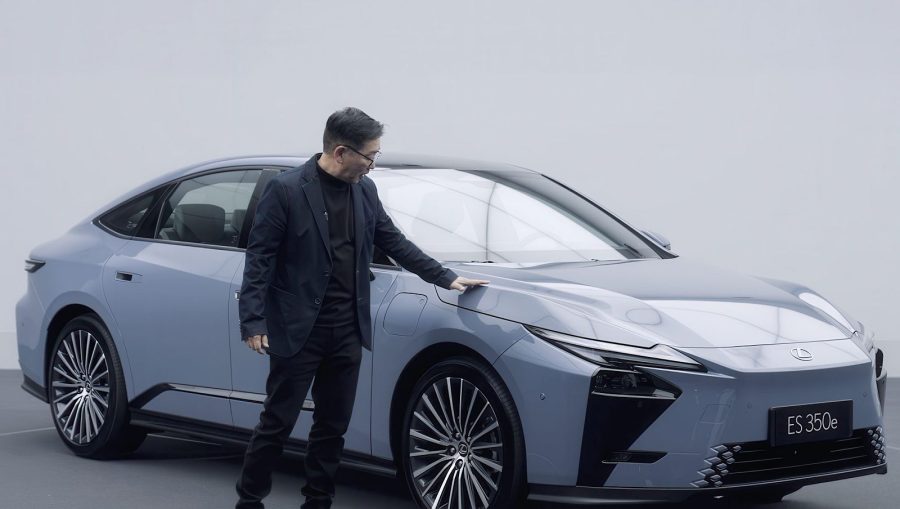
The design team wanted to preserve the wide and low “face” that people associate with premium saloons, while simultaneously evolving that aesthetic for the electrified era.
In this respect, the new spindle-inspired front-end rises from an unusually low-set nose and extends across the bonnet and into the bumper. This creates an elegant yet strong visual identity without relying on a conventional grille. Kumai added: “The height difference adds a sporty touch while keeping a suitably dynamic saloon-style expression.”
A new twin L-shape headlight pattern was also introduced and becomes a new signature lighting element in Lexus electrified models.
How were the side proportions balanced?
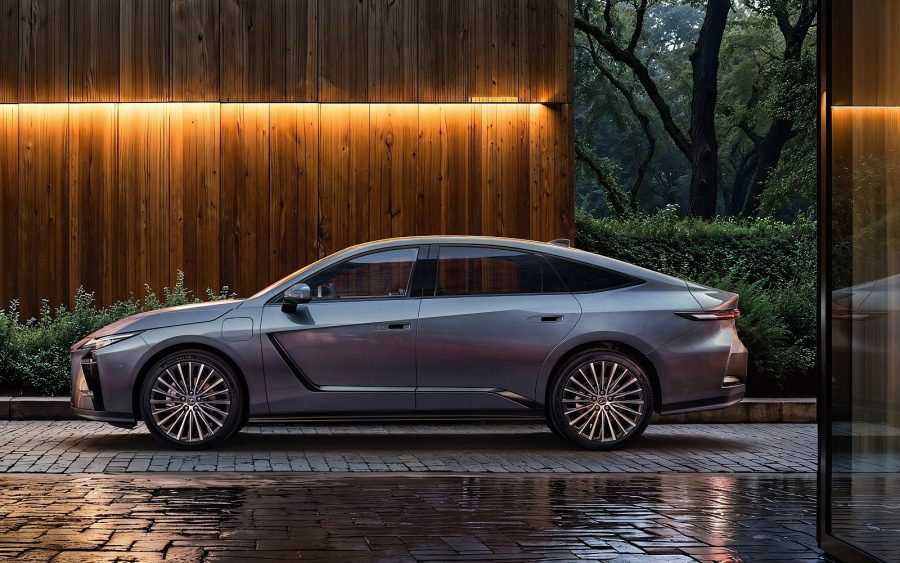
The side profile is fundamental to the identity of a luxury saloon. Although the new ES is taller than its predecessor, it appears lower, longer and more dynamic. This optical illusion was achieved by applying a black side moulding that draws the eye downwards and visually reduces the vehicle’s height while connecting the front and rear sections.
The way the cabin tapers into the rear-end also creates a flowing roofline that Kumai describes as “trunkless”. Combined with sculpted surfaces, powerful shoulders and carefully developed aerodynamic forms, a sense of forward motion is generated even when the car is at a standstill.
Why is the rear design particularly striking?
Chief designer Kumai is particularly proud of the new ES’s rear-end design. He explains: “The shape that cuts through the rearmost volume is a dynamic surface, unprecedented on a [saloon]. We were very particular about its appearance and have produced a beautiful broad surface. It gives the car an incredibly well-planted silhouette and while we have retained ample space in the cabin, it is strongly tapered to control airflow.”
The rear lighting reinforces this effect through a full-width light bar that integrates the Lexus wordmark alongside our L-signature lighting. Beyond creating a distinctive night-time identity, it also contributes to aerodynamic performance by helping control airflow behind the vehicle.
How did “Clean Tech x Elegance” shape the interior design?
Inside the cabin, Kumai’s objective was to “eliminate visual noise”. In other words, build an environment that feels calm, spacious and modern, where every element serves a clear purpose; where simplicity becomes an expression of luxury.
An example of this is the car’s hidden switches. Lexus recognises the importance of physical controls, particularly from a safety perspective. But instead of replacing them with touchscreen controls, new minimalist-style switches were developed that remain invisible beneath the dashboard trim when the vehicle is switched off, then illuminate and become visible once the car starts. This approach reflects Omotenashi hospitality, where thoughtful details enhance the ownership experience without drawing unnecessary attention to themselves.
How are new materials and lighting technologies used?
For the first time on a Lexus, the design team developed surface-emitting illumination. Using advanced printing technology together with light transmission techniques, they created illuminated bamboo-effect door trim that integrates perfectly with the ambient lighting throughout the cabin. It’s a subtle feature but one that creates a warm, contemporary feeling that reinforces the premium character of the interior.
What about the seats?
Traditional car seats often have a large, solid form that dominates the cabin. For the new ES, the team divided each seat into two separately upholstered sections. The seat profile is also slimmer than usual, which helps them occupy less perceived space and make the interior feel even more open and spacious.
How does the cockpit support the driving experience?
The cockpit follows Lexus’s Tazuna design philosophy, where controls and information sources are arranged so drivers can interact with them with minimal movement of their hands and eyes. The upper dashboard is deliberately open to maximise visibility, while the asymmetrical 12.3-inch digital display enables the meter hood to be lower, further improving the driver’s view of the road.
Combined with premium materials, soft leather-like finishes and dynamic lighting effects, the result is a cabin that feels both technologically advanced and unmistakably Lexus.
A one-sentence summary of the 2026 Lexus ES 350e
The 2026 Lexus ES 350e is a complete reimagining of what a Lexus luxury saloon can be in the era of electrification – combining elegant proportions, advanced technology and human-centred craftsmanship in a way that looks confidently towards the future.