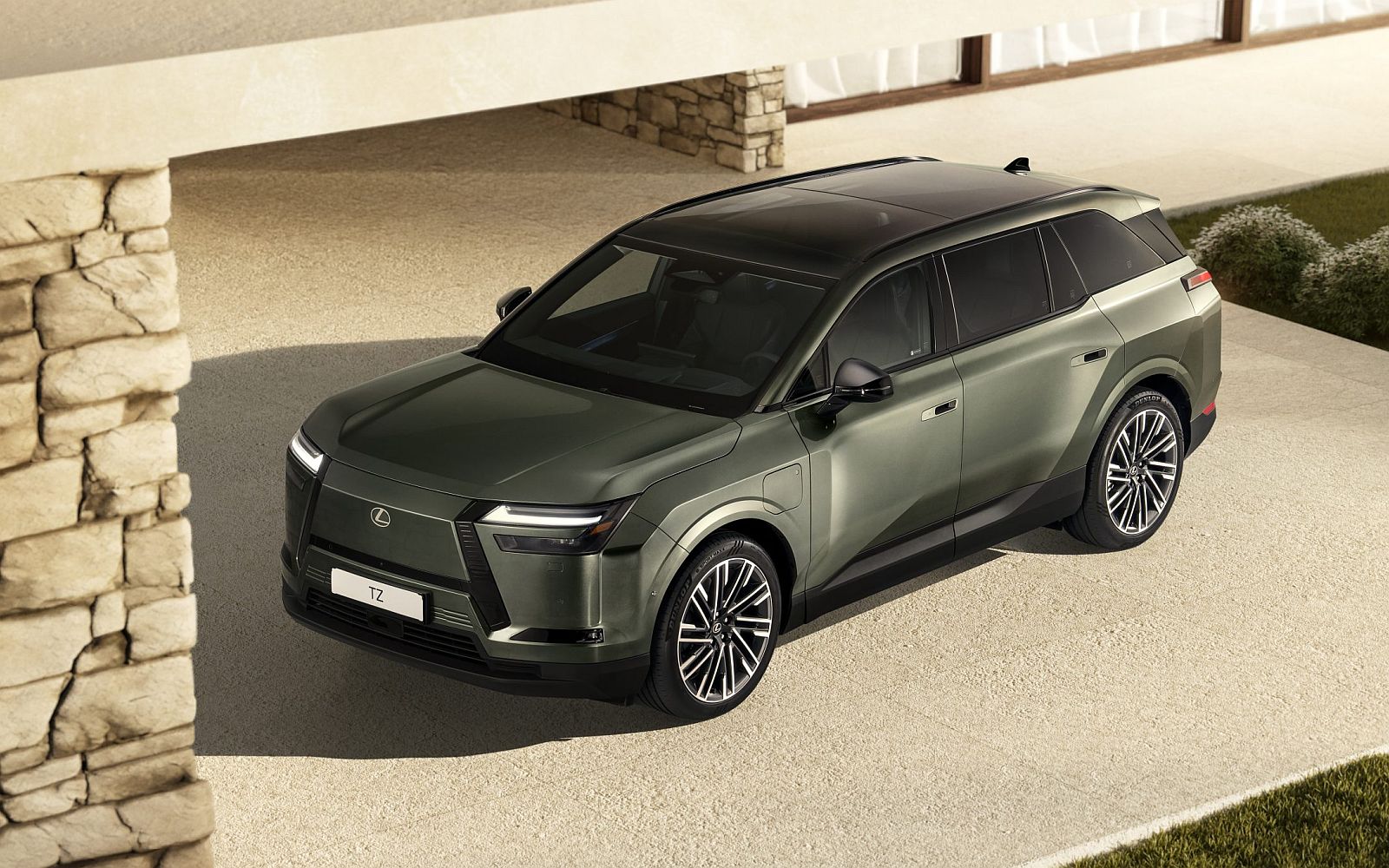
Lexus will soon introduce this all-new, fully electric model into its premium SUV line-up. The new six-seat Lexus TZ was developed to explore new horizons in travelling comfort and pleasure, offering a lounge-like interior, sharply tailored exterior, and dynamic performance. Together these qualities deliver an elevated mobility experience for driver and passengers alike – time inside the vehicle that everyone considers being time well-spent.
The new Lexus TZ will launch in Europe in 2027. But this is what we can reveal so far…
Lexus TZ: welcome to the driving lounge
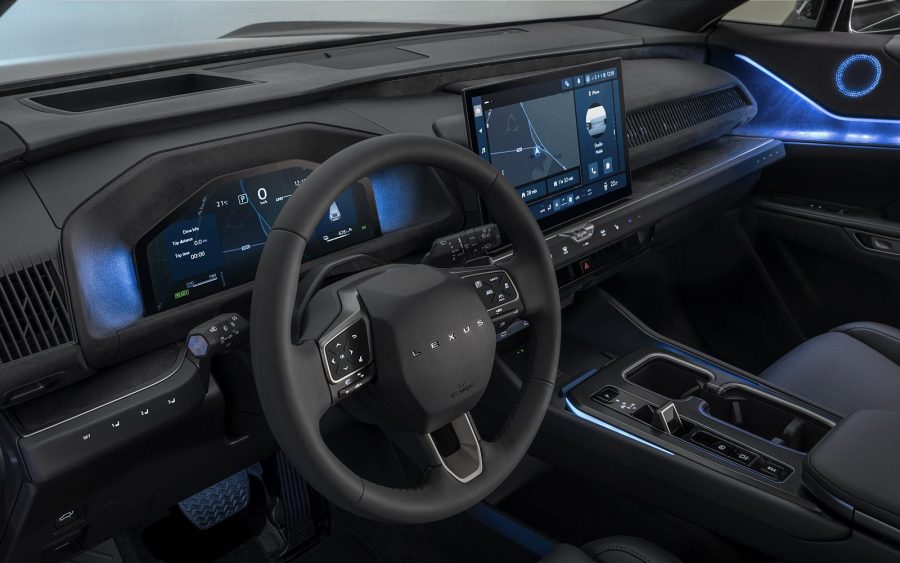
The interior of the Lexus TZ is inspired by a new ‘driving lounge’ concept. Bathed in light from an extra-large panoramic roof, the interior provides an open, airy space where everyone can relax and enjoy the smooth, refined ride of a battery electric vehicle (BEV), insulated from external disturbances. Indeed, the new TZ will be the quietest of all Lexus SUVs.
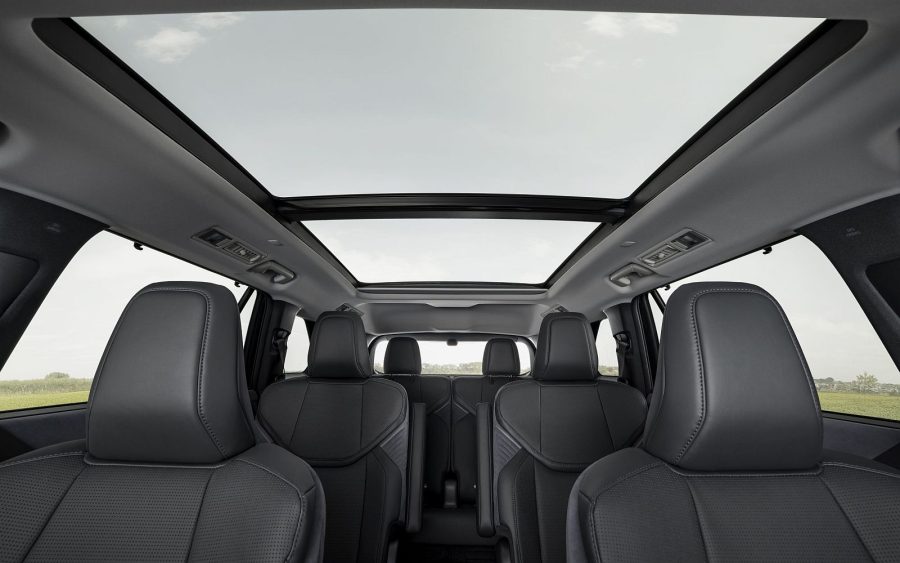
A long wheelbase and BEV architecture assisted in the creation of space to comfortably accommodate six seats arranged in three rows. Up front, the seats are a new-generation Lexus design with a slim profile and sculpted look. Energy efficient radiant heaters discreetly positioned below the instrument panel and steering column warm the driver and front passenger’s knees and lower legs. The second row of seats features individual captain’s chairs, while the third row still offers enough headroom, legroom and step-through accessibility for even taller adults to feel comfortable. All three rows are internally heated – a rare feature in six- or seven-seat SUVs – while the front two rows also have integrated ventilation and ottoman-style leg rests. Even the 21-speaker Mark Levinson audio system can create a 3D sound stage that can be tailored toward the rear seats.
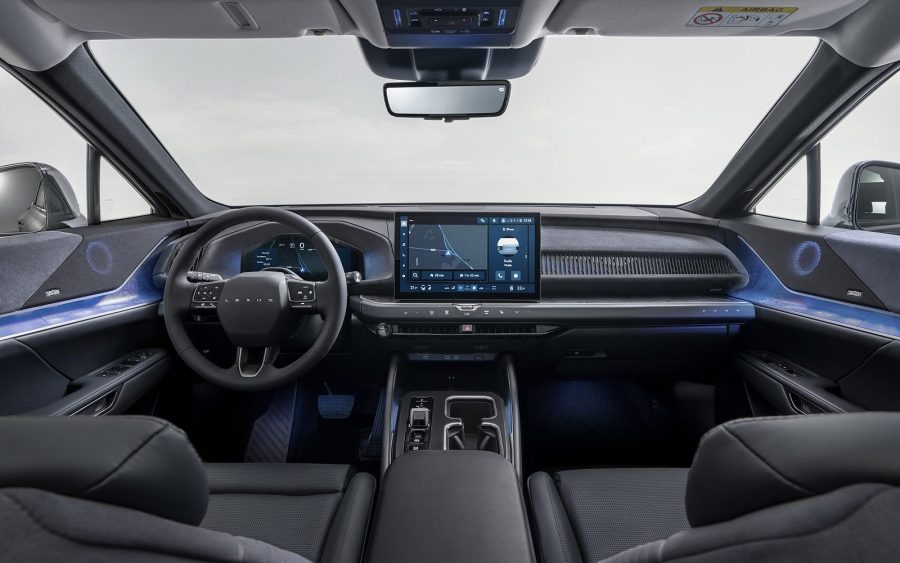
The minimalist cabin theme is reflected in the application of responsive hidden switch technology. The slim panel running horizontally beneath the 14-inch centre multimedia screen initially looks like a clean, seamless bar, but a series of switch function icons illuminate when a hand passes above the surface. Although the switches have a flush finish, operation is clearly confirmed through haptic feedback. Hidden switches are also featured on the TZ’s steering wheel.
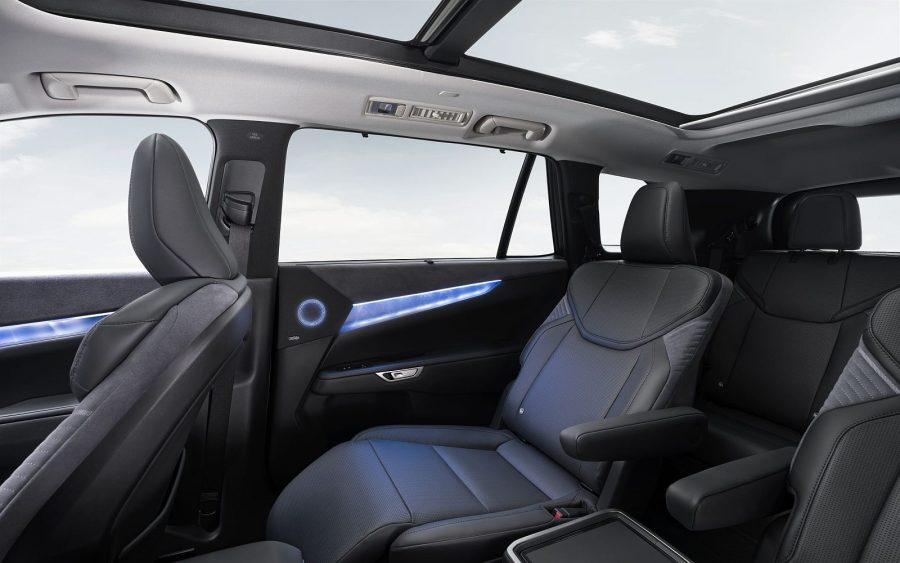
The door panels are crafted using a Lexus-first technique that layers thin films of bamboo into attractive trim elements. In daylight these trims have the appearance of natural bamboo, but transform to surface-illuminated patterns when synchronised with the vehicle’s ambient lighting system (see above). The doors themselves have an easy-closing system that will gently shut and secure a door if it detects that it has not been properly closed.
Exterior design: SUV presence with elegance and refinement
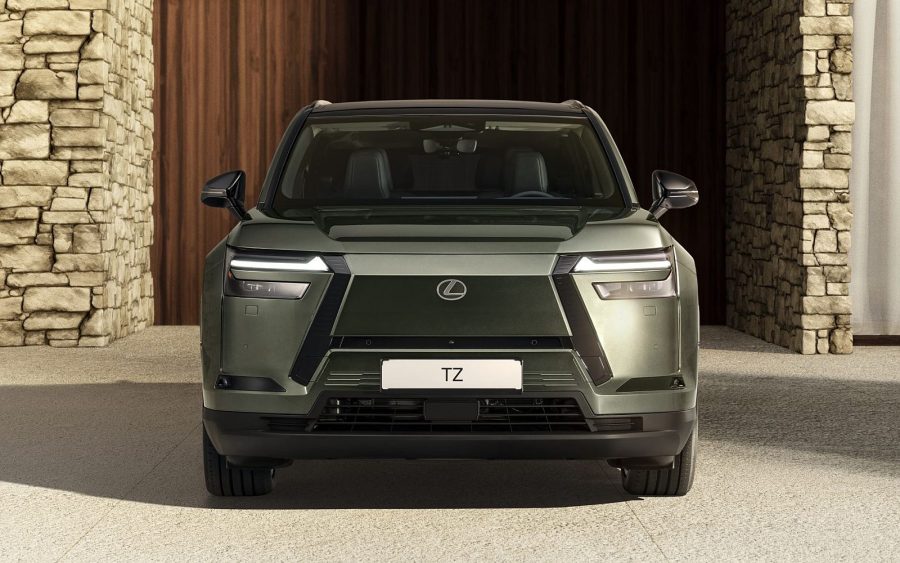
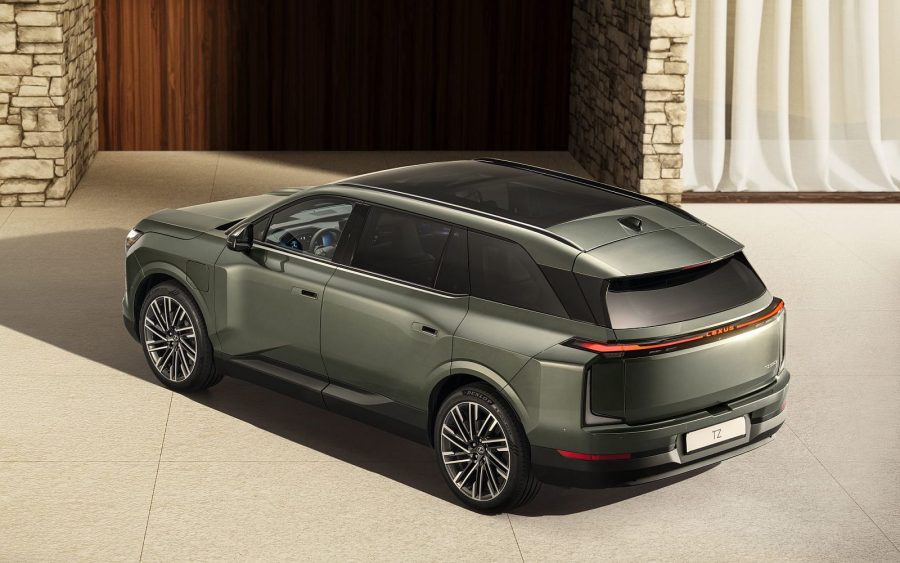
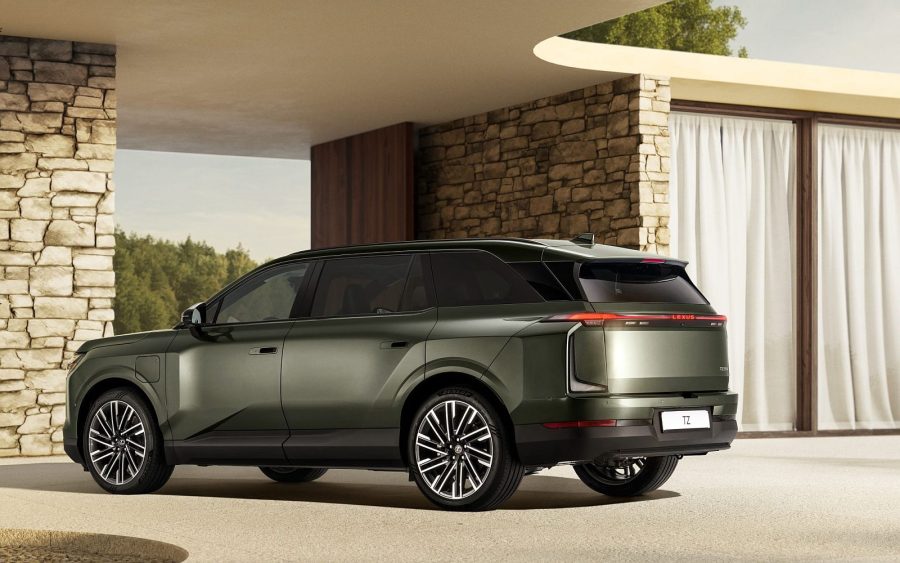
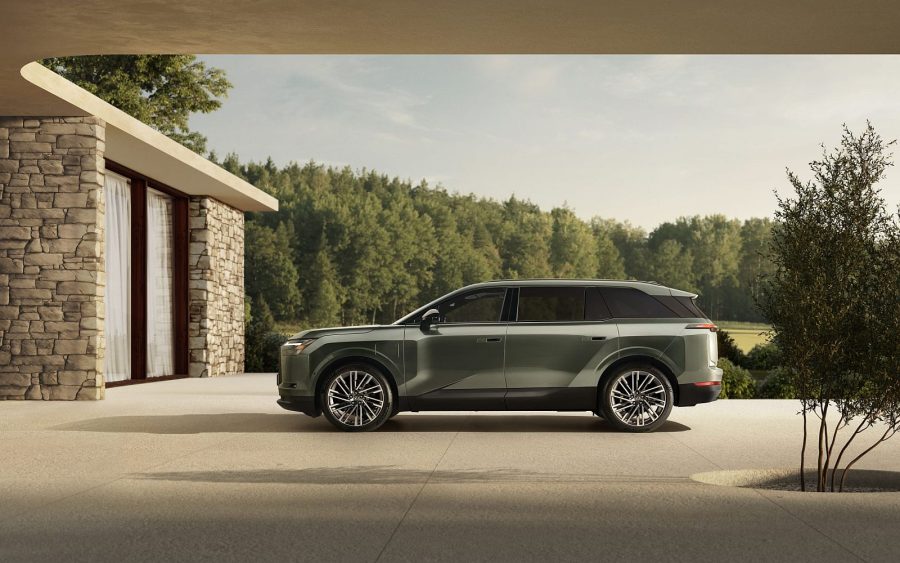
The TZ’s contemporary appearance is described as ‘provocative simplicity’ – elegance with an edgy touch. Sharp surfacing communicates strength and dynamism, while other details include semi-flush door handles, strong character lines, contrasting textures, and boldly styled aero wheels. The characteristic Lexus front spindle is still in evidence, although the trapezoidal shape is now generated in a clean, unified mass; and the new signature twin-L light units present distinctive inward and outward-pointing elements for the daytime running lights and turn indicators. Meanwhile, the tapering roof line and pronounced rear wing have a positive aero effect, but not at the expense of space and comfort in the cabin.
What will the Lexus TZ be like to drive?
The TZ marks the culmination of our engineering knowledge and experience gained in body and platform development. From strengthening key areas of the platform to extensive testing programmes, it achieves a new Lexus driving feel that combines signature quietness and comfort with a smooth, unified sense of control.
The suspension set-up was developed specifically for the TZ and consists of front MacPherson struts with a multi-link rear end. The car can be specified with a system that allows the rear wheels to turn up to four degrees, either in phase with or counter to the angle of the front wheels, according to the driving situation. At low to medium speeds, this enhances manoeuvrability and steering response. At higher speeds it increases stability, inspiring driver confidence. The additional benefit is a turning circle comparable to a smaller D-segment SUV.
The braking system is electronically controlled and produces a natural braking feel that is rigid, controllable and responsive. The driver can also make use of a regenerative braking system with five different levels of deceleration, selected using paddle shifts on the steering wheel. The paddles can also be used to rapidly shift through eight virtual transmission speeds – an interactive system first introduced in the RZ 550e F Sport to bring the sensation of manually changing gears to an electric vehicle. A tachometer in the instrument display helps the driver optimise shift points, and the selection is accompanied by a simulated engine note and steering wheel feedback to add to the multi-sensory experience.
Tell me about the TZ’s powertrain…
Working from the ground up, the TZ’s handling capabilities are supported by our Direct4 all-wheel drive system that automatically distributes drive torque between the front and rear axles. The specific values of that distribution are based on the driving conditions and selected drive mode, in order to optimise overall performance.
The BEV powertrain itself is an evolution of that found in the Lexus RZ but with a higher capacity battery and increased motor outputs appropriate for a premium six-seat SUV. The front and rear motors produce 224bhp each (total system power is 402.3bhp) and are built into compact units that include the motor-generator, power control unit and inverter in a single housing. Powering these units is a 95.8kWh lithium-ion battery that should enable a driving range of up to 330 miles.
The battery features a number of systems, including water-cooling, to optimise the cells for prompt and consistent charging. The TZ is equipped with a 22kW onboard AC charger for at-home charging, while a 150kW fast charger should be able to replenish the cells from 10 to 80% in around 35 minutes. An intelligent EV routing system can be used to plan energy-efficient journeys, with recharging points factored in and updated if necessary.
How big is the new Lexus TZ?
As shown in the table below, the TZ measures 5100mm overall and has a 3050mm wheelbase. By comparison, the Lexus RX is 4890mm long with a 2850mm wheelbase. A shorter front overhang contributes to the TZ’s handling and weight distribution, while its longer rear overhang allows for more load space and helps overall stability. With the third row of seats in place, there is space to carry four 55-litre or two 92-litre cases. The seats are foldable to create room to stow bulkier items.
Lexus TZ specifications
| Dimensions (L x W x H) | 5100 x 1990 x 1705mm |
| Wheelbase | 3050mm |
| Load space volume (VDA method) | 290-2017 litres |
| Vehicle weight | 2630kg |
| Towing capacity (braked) | 1500kg |
| Tyre size (varies by market) | 255/55 R20 or 255/45 R22 |
| Turning radius (minimum) | 5.4m with dynamic rear steering or 5.8m without |
| Drivetrain | DIRECT4 all-wheel drive |
| Total system power (maximum) | 300kW / 402.3bhp / 407.8hp |
| Front motor output (maximum) | 167kW / 224bhp / 227hp and 268.6Nm torque |
| Rear motor output (maximum) | 167kW / 224bhp / 227hp and 268.6Nm torque |
| Acceleration 0-62mph | 5.4 seconds |
| Battery capacity | 95.82kWh |
| Charging time at 150kW from 10-80% | Approx 35 minutes |
| Cruising range | Up to 330 miles |